
UAE importers sourcing from the EU in 2026 must comply with ESMA/MoCCAE conformity, EU dual-use controls, and — for regulated categories — ECAS certification. The typical compliance overhead adds 4–9 days and 0.8–2.4% of CIF to a standard shipment. Here is what actually moves the needle when importing European goods into Jebel Ali or Khalifa Port.
How the EU controls exports to the UAE
The EU does not impose broad export restrictions to the UAE — it is treated as a trusted trade partner. However, three regulatory layers still apply to every shipment:
- EU Dual-Use Regulation (2021/821) — controls items with both civilian and military applications. Most consumer goods are exempt, but electronics, optical equipment, and machinery with certain tolerances require an export license.
- REACH and CLP — chemicals, cosmetics, and materials in contact with food must pass EU chemical compliance before export.
- Product-specific directives — CE marking, RoHS, Machinery Directive 2006/42/EC.
- ECAS Certificate for regulated products (electronics, cosmetics, construction materials)
- Declaration of Conformity matching the EU DoC
- Arabic labelling for all consumer-facing packaging
- Halal certification for food products (fast-tracked if supplier holds an EU halal audit)
- Documents clean, ECAS in place: 2–4 days
- Missing one certificate: 7–10 days (plus demurrage)
- Physical inspection triggered: 10–14 days
- Treating ECAS as optional — it isn't, and retroactive registration costs 3–5x the original fee
- Arabic labels translated via Google — translation errors cause rejections; use a certified Arabic labeller
- Ignoring the 5% import duty — free zones are duty-free, but goods moving to mainland UAE pay duty on clearance
- File ECAS before the supplier ships
- Use a DDP (Delivered Duty Paid) Incoterm only if your supplier has a UAE entity — otherwise stick to CIF
- Pre-book a customs broker slot 72 hours before vessel arrival
- Keep original commercial invoice and packing list in physical form (digital copies are accepted but originals still speed clearance)
For 92% of B2B shipments, none of this blocks the deal — it just requires documentation the supplier should already have.
ESMA/MoCCAE on the UAE side
The UAE side is stricter than the EU side. The Emirates Authority for Standardization (ESMA) — now operating as part of MoCCAE — requires:
ECAS costs per product SKU run 800–2,500 AED, and processing takes 7–14 working days. Plan ECAS registration in parallel with production, not after.
Jebel Ali clearance realities
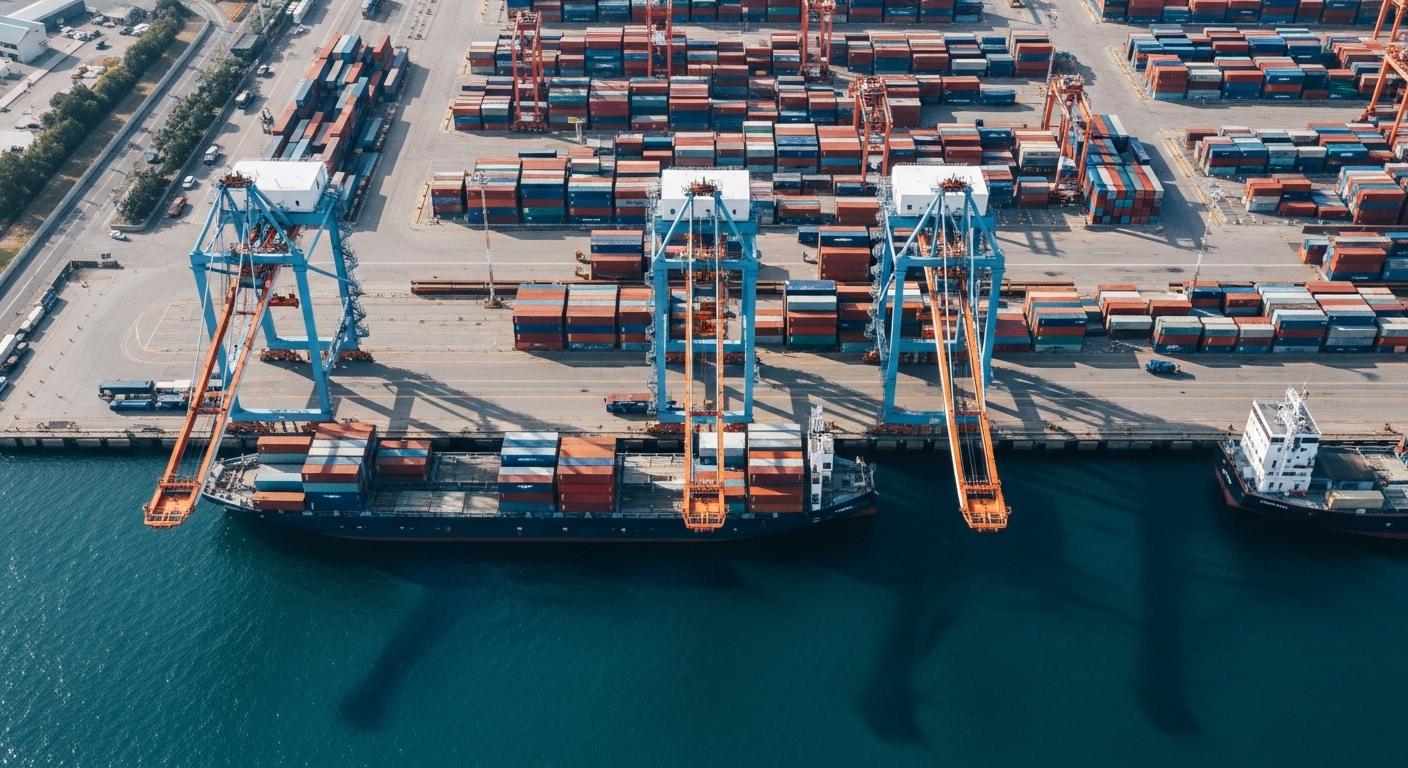
Jebel Ali is the most efficient port in the MENA region for EU-origin cargo. Typical clearance timelines in 2026:
Demurrage at Jebel Ali runs 60–220 USD per day per container depending on size and operator, so every extra day matters.
What trips up first-time UAE importers
Three mistakes account for most delays:
Fast-track tips for 2026
How Go MENA handles UAE shipments
Every UAE-bound order we process starts with ECAS scoping in week 1. We pre-book Jebel Ali clearance slots, use certified Arabic labellers, and structure Incoterms to minimize duty exposure on free zone vs mainland routes. Average clearance time for our UAE clients: 3.2 days.
Request a supplier — we'll respond within 24 hours with three verified European options for your product category.